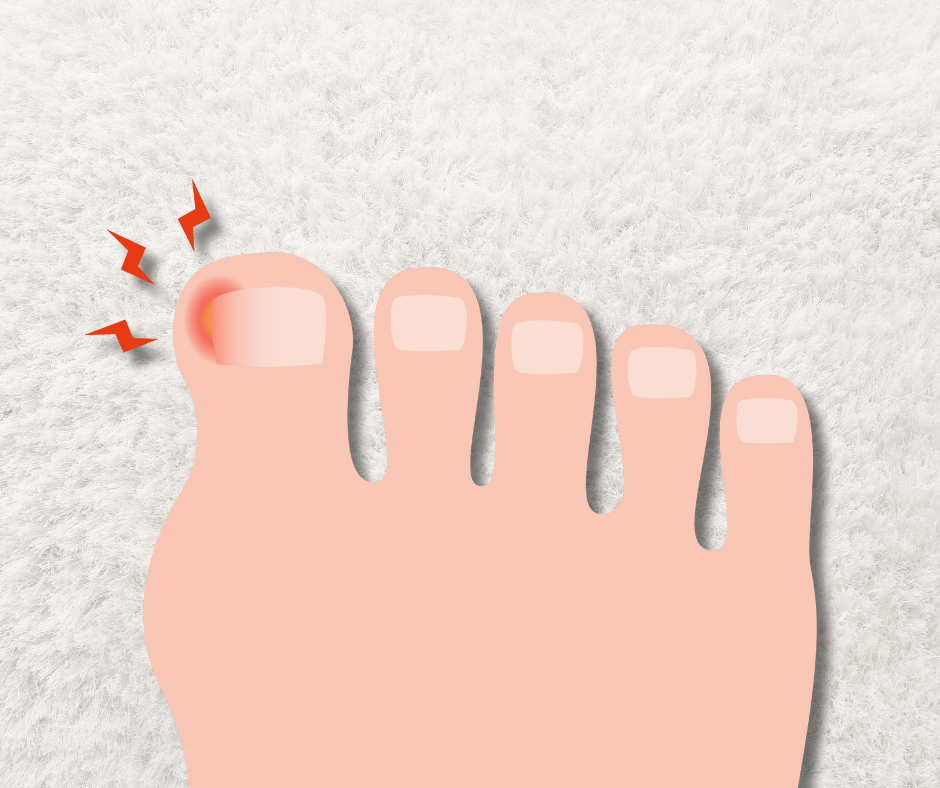
Why Are Ingrown Toenails Suddenly So Common?
The Post-Pandemic Problem
For years, you rarely had an issue. Then, over the last year, you found yourself dealing with a painful, red, and swollen corner of your big toe that just won’t heal.
Ingrown toenails have always been common, but podiatrists nationwide have seen a significant surge in severe cases recently.
The reason for this recent surge is simple, and it has everything to do with the “Great Shoe Change” we’ve all gone through: The sudden return to tight, structured footwear. In this blog, Step By Step Family Foot Care walks you through the problem…and solutions, too!
The Life Cycle of the Post-Pandemic Ingrown Toenail
Here’s the predictable pattern that has led to this spike:
- The “Slipper Effect” (The Setup): During the work-from-home era, your feet relaxed in soft, wide, unsupportive slippers and socks, or they were completely barefoot. Your toes naturally spread out, and any minor pressure was relieved.
- The Nail Cut Mistake: During this time, many people tried to manage their own foot care. The most common mistake? Cutting the toenails too short, especially rounding the corners. This leaves a tiny, invisible spike of nail just under the skin’s surface.
- The Return to Restriction (The Trigger): When you returned to the office, you forced your feet back into stiff, narrow, pointed-toe business shoes. This pressure immediately drove those invisible spikes deeper into the soft skin, causing the inflammation and pain to erupt.
The tight shoe didn’t cause the ingrown nail; it triggered the nail spike that was already lurking beneath the surface.
A Critical Warning: Stop the Bathroom Surgery
When that pain is throbbing, the urge to take tweezers or scissors and “dig it out” is intense.
Do not do this!
Attempting at-home removal will almost certainly do one of three things:
- Leave a Sharper Spike: You won’t remove the entire spike, making the issue worse.
- Cause an Infection: You are introducing non-sterile tools to an open wound.
- Risk Severe Damage: For patients with diabetes or poor circulation, this is a dangerous risk that can lead to severe infections and costly hospital visits.
The Quick, Permanent Fix
You don’t have to suffer through the throbbing pain. Ingrown toenail removal is one of the quickest, most effective, and most commonly performed procedures we do.
- The Procedure: We apply a small amount of local anesthetic to numb the toe completely. We then use specialized, sterile instruments to lift and remove only the small, offending piece of the nail border.
- The Relief: The process takes about 10-15 minutes, and the relief is immediate. You will walk out of the office with less pain than you had when you walked in.
If you’re dealing with a painful, ingrown nail, stop worrying about the tweezers. Schedule a quick appointment. We’ll handle the procedure safely and have you back into your favorite shoes in no time. We can also recommend powerful non-surgical and noninvasive options (such as the Onyfix nail correction system!).
Step By Step Family Foot Care is here to assist you with your podiatry needs! To make an appointment with Dr. Debra B. Manheim, call us at (973) 917-3785 or visit our site to schedule an appointment. The staff at our Parsippany office is ready to help.