How To Fix Youth Soccer Foot Pain
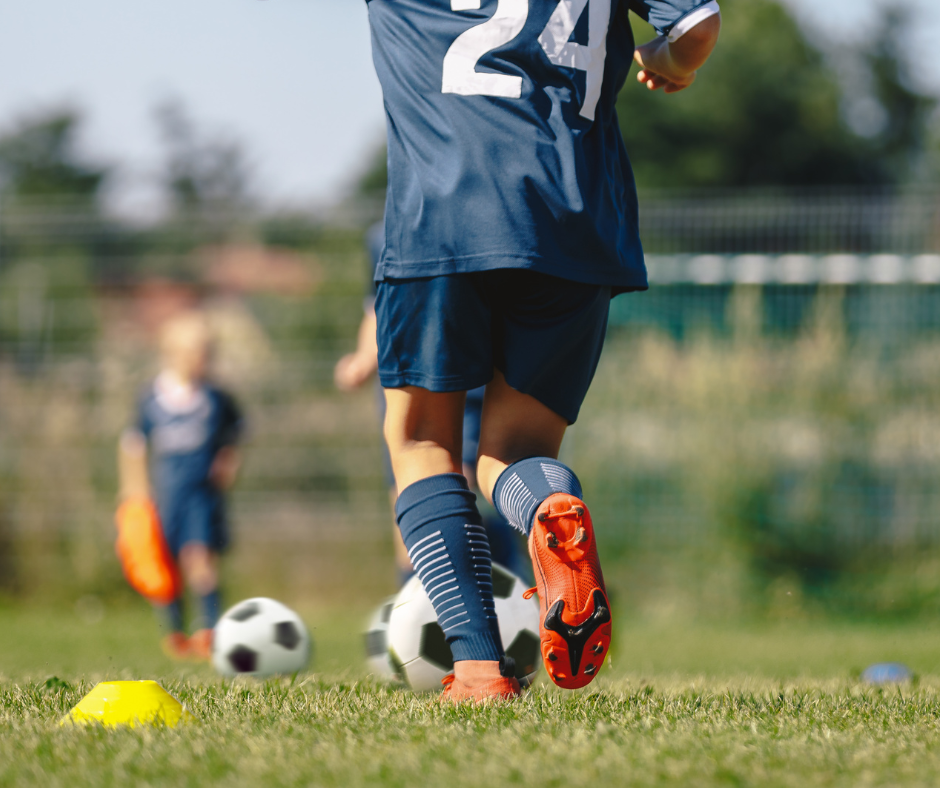
With the fall soccer season approaching, thousands of young athletes are gearing up for intensive two-a-day practices and weekend tournaments. Yet within the first two weeks of the season, many parents will notice their child limping off the pitch or complaining of severe foot pain after taking off their shoes.
When a child experiences foot pain, parents immediately turn to search engines to figure out if it is just normal fatigue or a serious injury.
If your youth athlete is struggling with foot discomfort, the problem almost always starts with their footwear. Step By Step Family Footcare has put together a quick guide to understanding why soccer cleats cause so much damage, how to identify common turf injuries, and what you can do to keep your child on the active roster.
The Problem with Modern Soccer Cleats
To understand why your child is hurting, you must look inside their shoe.
- Modern soccer cleats are engineered for maximum speed and tight ball control. To achieve this, manufacturers design them to fit like a second skin.
- They are narrow, feature a rigid toe box, and offer zero internal arch support.
- When you combine an unsupportive shoe with the explosive lateral movements, sudden stops, and repetitive kicking required in soccer, your child’s growing feet are forced to absorb a significant amount of trauma.
Three Common Cleat Injuries
If your child is complaining about foot pain after practice, check their feet for these three highly common soccer injuries:
- Severe Blisters: Soccer cleats lack breathability. When sweat builds up and the foot slides against the rigid interior of the shoe, it causes intense friction. This leads to painful, fluid-filled blisters along the heel and the sides of the big toe.
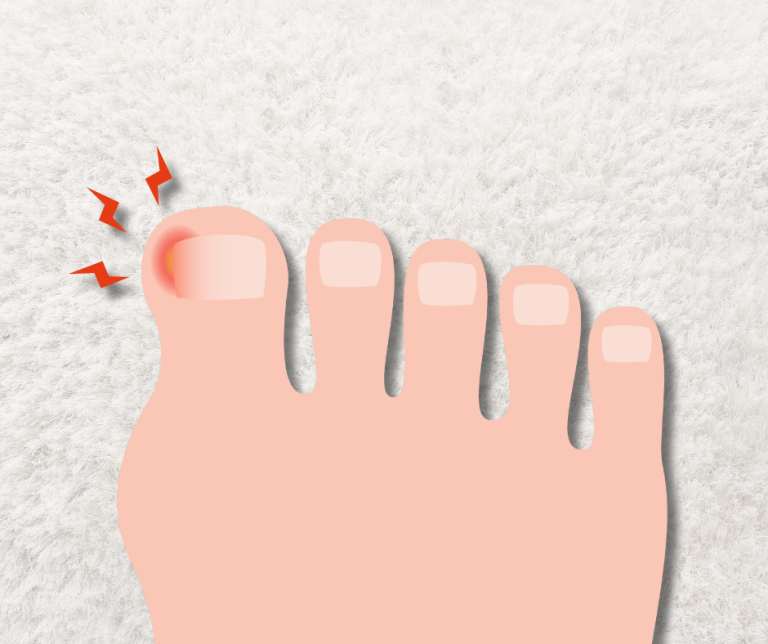
- Ingrown Toenails: Because cleats are so narrow, the toes are constantly smashed together. The repetitive trauma of kicking the ball forces the edge of the toenail to grow directly into the surrounding skin, causing red, swollen, and infected tissue.
- Turf Toe: Artificial turf does not have the same natural give as real grass. When a player plants their foot to pivot, the cleat can easily get stuck in the turf, violently hyperextending the big toe joint upward and spraining the surrounding ligaments.
Actionable Steps for Parents
You cannot change the way the game is played, but you can take immediate action to protect your child’s structural foundation before the season begins.
- Never Buy a Size Up: It is tempting to buy cleats that are one size too large so your child can “grow into them.” Do not do this!
- A loose cleat allows the foot to slide around during sprints, guaranteeing blisters and ankle sprains. Cleats must fit snugly right out of the box.
- Shop in the Evening: A child’s foot naturally swells throughout the day. Always buy athletic shoes in the late afternoon or evening to ensure the cleats will not compress their feet during late practice.
- Upgrade the Insole: Because factory cleats offer zero support, replace the flimsy foam insert with an athletic insole designed specifically for narrow cleats, or speak to a specialist about a low-profile custom orthotic.
Protect Your Player at Step By Step Family Foot Care
We understand the unique needs of growing athletes. Contact our office today to schedule a pediatric evaluation so we can get your star player back on the field!
Step By Step Family Foot Care is here to assist you with your podiatry needs! To make an appointment with Dr. Debra B. Manheim, call us at (973) 917-3785 or visit our site to schedule an appointment. The staff at our Parsippany office is ready to help.